"Should we do static or video?" is one of the most common questions in performance marketing, and it's the wrong one. Both formats win, just at different jobs and different stages. Treating it as a rivalry leaves easy performance on the table.
Where static still wins
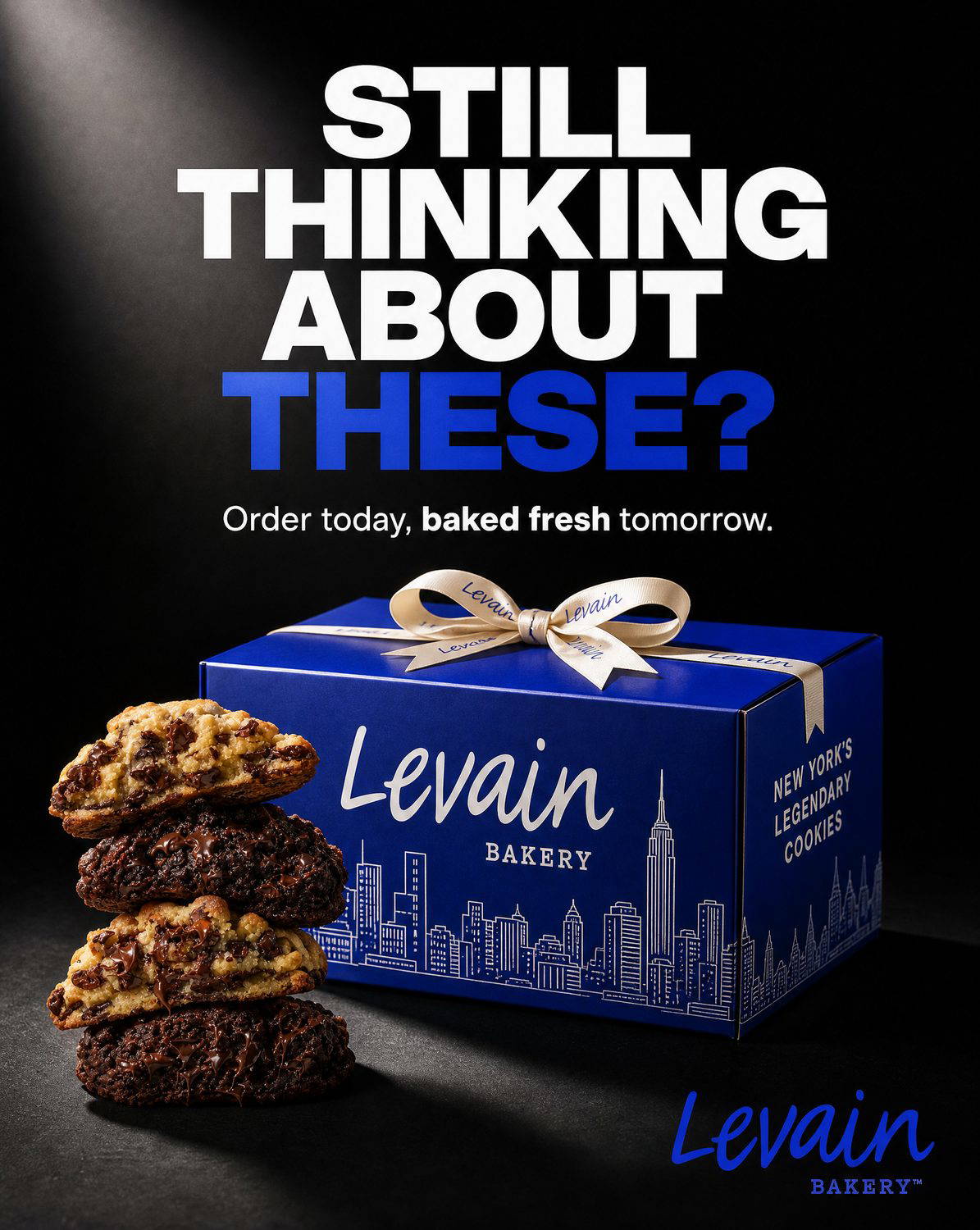
Statics are fast to produce, cheap to iterate, and unbeatable for a clear, single-message offer: a price, a product shot, a bold claim. When the point is instantly legible, motion adds nothing and just slows production. Statics also remain the workhorse for retargeting, where the audience already knows you.
Where video pulls ahead
Video earns its keep on cold audiences and anything that needs demonstration: how a product works, before-and-after, or a story that builds. It holds attention longer, which the algorithm reads as a signal and rewards with cheaper distribution.
- Cold prospecting: video, to demonstrate and build attention.
- Retargeting: static, to reinforce a known offer cheaply.
- Simple offer or price point: static, for instant legibility.
- Complex or novel product: video, to show it in motion.
The best-performing accounts don't pick a format. They run both and let placement and stage decide.
Stop choosing, start producing both
The reason brands agonize over the choice is that producing both used to double the work. When one prompt yields the static, the caption, and the video cut together, the versus dissolves. You ship both, learn which the algorithm prefers for this audience, and lean into the winner, which is exactly the loop Atlas is designed to make effortless.
Turn this into a live campaign.
Tell Atlas what you're promoting and watch the batch appear.