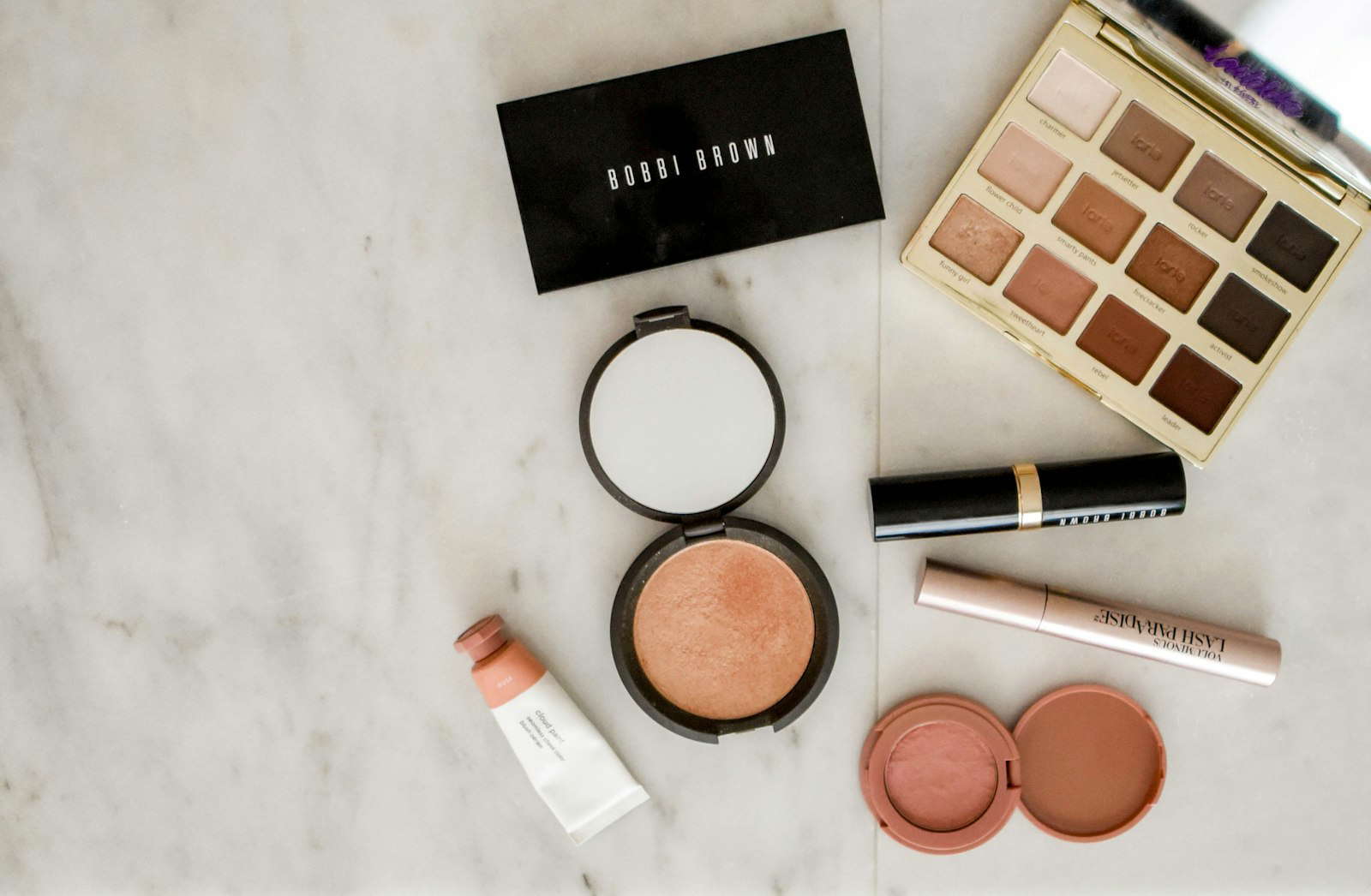
Aloha Skin Replaced $28K Per Month in UGC Spend — and Improved ROAS to 9.7×
Brand: Aloha Skin
Category: Skincare & Beauty
Industry: Health & Beauty
Location: Los Angeles, USA
Founded: 2021
Tagline: Aloha Skin replaced $28K/month in UGC spending with AI-generated content that performed better.
At a Glance
- 9.7 ROAS
- +32K followers
Performance Metrics
| Metric | Value |
|---|---|
| ROAS | 9.7× |
| New Followers | +32K |
| Hook Rate | +84% |
| UGC Cost Saved | $28K |
The Challenge
As a DTC skincare brand built on social proof, Aloha Skin's entire paid acquisition strategy depended on user-generated content creators. At peak, they were managing 30+ creators simultaneously — coordinating briefs, approving raw footage, chasing edits, and handling licensing agreements. The monthly spend hit $28K, split between creator fees, editing costs, and platform tools.
The output was inconsistent. Some creators delivered on-brief assets that converted well; others missed deadlines or produced content that looked nothing like the brand. ROAS fluctuated wildly between campaigns — not because the targeting was wrong, but because creative quality varied too much to draw reliable conclusions from performance data. The founder was spending 15+ hours a week just managing the creator pipeline, time that should have gone toward product and growth strategy.
The Larven Solution
Aloha Skin integrated Larven AI to generate UGC-style video ads in-house. The platform produced authentic-feeling content across the formats that perform in skincare: skincare routines filmed in real bathroom environments, before-and-after sequences with measured skin tone overlays, testimonial-style talking-head formats, and ingredient close-ups with voice-over copy. All assets were generated from product briefs and brand guidelines, maintaining a consistent aesthetic without requiring a creative director to review every frame.
The key shift was in testing velocity. Instead of waiting 2 weeks for a creator batch and getting 8–10 assets, Aloha Skin could generate 60+ hook variants per month and test them in live campaigns within 48 hours. Larven's performance data identified the winning hooks — the opening 3 seconds that stopped the scroll — which the team then used to brief their remaining two human creators more precisely. AI handled volume and testing; human creators handled the highest-converting angles at scale.
Results
UGC production costs dropped from $28K to $4K monthly — an $24K monthly saving that went directly back into ad spend. Hook rate improved 84% as systematic testing replaced guesswork: the data showed that ingredient-led openings outperformed testimonial openings 2.3:1 on Meta, and that 6-second hooks outperformed 15-second hooks on TikTok regardless of content type.
ROAS climbed to 9.7× and stabilised — the consistency mattered as much as the number, because it finally made scaling decisions straightforward. The brand gained 32K new followers in the first quarter from high-share lifestyle content. The founder reclaimed 12+ hours per week previously spent managing the creator pipeline.
Quote
I was skeptical AI could capture the authentic feel our audience loves. I was completely wrong. Our best-performing ad this quarter was AI-generated.
Larven Solutions Used
- UGC-Style Generation
- Hook Testing
- AI Ad Generator
- Video Formats
Turn this into a live campaign.
Tell Atlas what you're promoting and watch the batch appear.